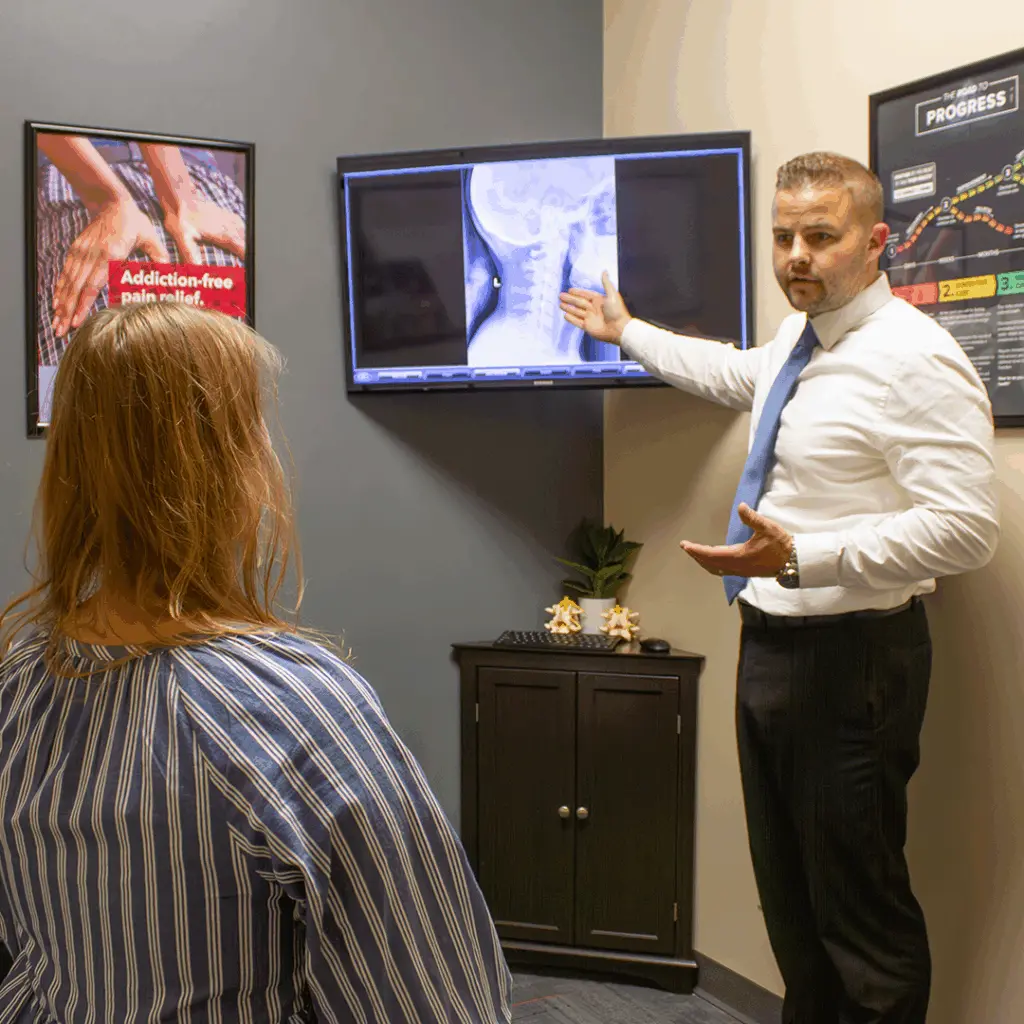
Is Cracking Your Back Bad for You?
What that popping sound really is, whether cracking your own back causes harm, and when stiffness is a sign to get your spine checked.
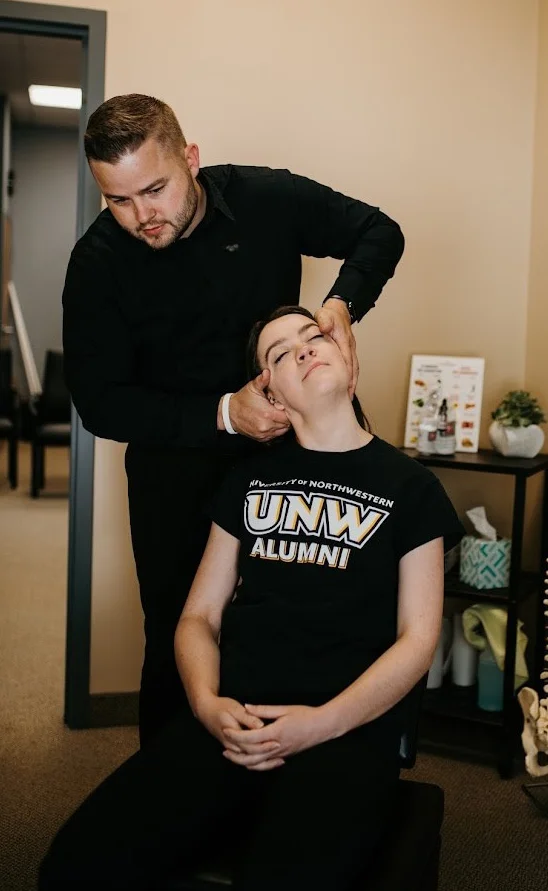 Dr. Andrew Krueger
· 3 min read
Twisting in your chair until your back pops can feel great. Many people do it several times a day and then wonder whether they are slowly damaging their spine. The short answer: an occasional pop is usually harmless, but a constant need to crack your back is worth paying attention to.
What is that popping sound?
The joints along your spine are surrounded by a capsule filled with fluid that keeps them moving smoothly. When a joint is stretched quickly, the pressure inside that capsule drops and dissolved gas forms a small bubble. That release is the "pop" you hear. It is called cavitation, and it is the same thing that happens when you crack your knuckles.
After a joint pops, it usually takes a little while before it can pop again, which is why you can't get the same sound twice in a row.
Does cracking your back cause arthritis?
This is the most common worry, and research has not shown a link. Studies on habitual knuckle cracking, the most studied version of the habit, have not found higher rates of arthritis in people who do it. The noise itself is not a sign of damage.
So why can it still be a problem?
The issue is not the sound. It is which joints are moving. When you twist or bend to crack your own back, the joints that move most easily tend to give way first. Those are often joints that are already moving plenty. The stiff segment that is actually causing your discomfort may not move at all.
- Relief is short-lived. The release feels good for a few minutes, then the tight feeling returns because the cause has not changed.
- It can become a cycle. Repeatedly forcing already-mobile joints can leave them looser over time, while the stiff areas stay stiff.
- Forceful twisting can strain muscles and ligaments, especially if you use your arms or a chair to lever yourself further.
How is a chiropractic adjustment different?
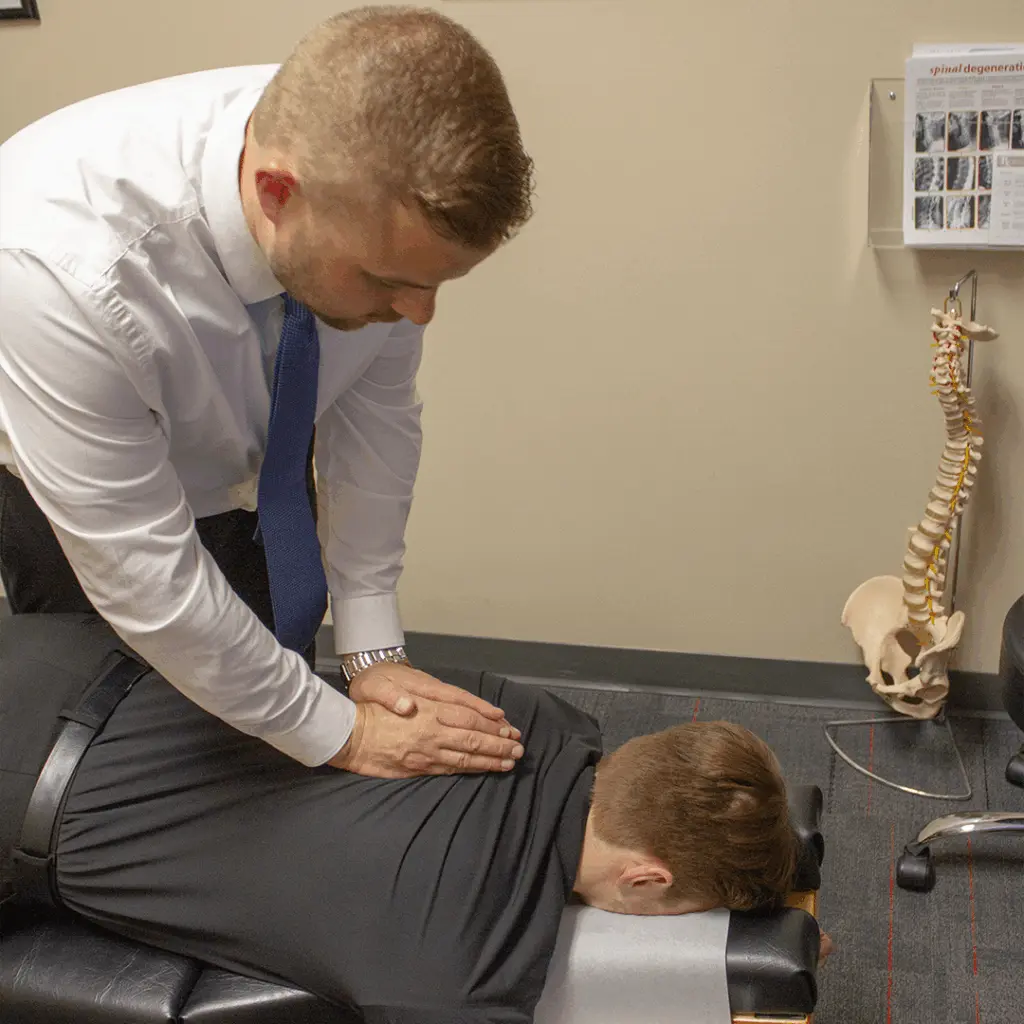
A chiropractic adjustment is targeted. Before any treatment, your chiropractor examines how each area of your spine moves, finds the segments that are restricted and applies a precise, controlled movement to those joints only. A pop may or may not happen, and it is not the goal. The goal is to restore normal motion where it is missing and to address the muscles, posture and habits that keep the problem coming back.
Signs it's time to get your back checked
Make an appointment if you notice any of the following:
- You feel the urge to crack your back many times a day
- The stiffness keeps coming back or is getting worse
- Popping comes with pain, swelling or a grinding feeling
- The stiffness began after a fall, a car accident or a sports injury
- Pain spreads into your buttock or leg, or your arm or hand
Seek urgent medical care if back pain comes with numbness in the groin or inner thighs, new weakness in your legs, loss of bladder or bowel control, fever or unexplained weight loss.
The bottom line
An occasional pop when you stretch is nothing to fear. But if you find yourself reaching for that twist again and again, your back is telling you something is not moving the way it should. At NorthStar Spine in Shoreview, Dr. Andrew Krueger can find the real source of the stiffness and build a plan to fix it.
Book an appointment or call (651) 784-3396.