
New Patients
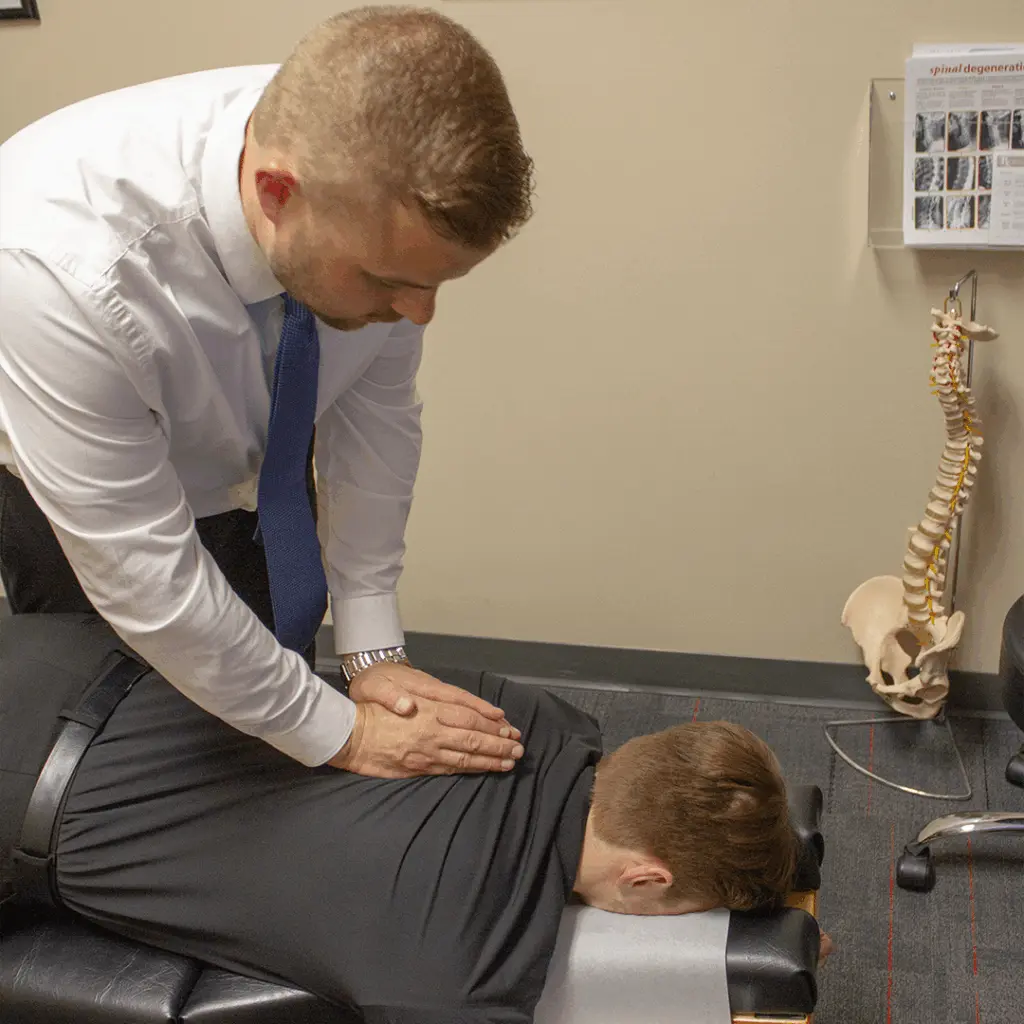
What to Expect at Your First Chiropractic Visit
A step-by-step look at a first chiropractic appointment: paperwork, consultation, exam, possible X-rays, your care plan and how you may feel after.
Always tired, stuck on a plateau or getting slower no matter how hard you train? You may be overtraining. Let’s get your body recovering again.

We all understand how important exercise is for the body, mind, and spirit. What many do not realize is that if you are chronically ill, injured, sleep-deprived, or on a calorie-restricted diet, it’s possible to be overtraining at a much lower level of physical activity.
The consequences can have a profound impact on your overall health and wellbeing. From the competitive runner, cyclist, or exercise enthusiast who does CrossFit, weight training, or high-intensity interval training, to the weekend warrior taking on a Tough Mudder, all are at potential risk for overtraining.
It doesn’t take much to be on a downward spiral. It is estimated that 61% of all serious runners go through a period of overtraining in their career.
Keep your body optimized to perform at peak levels for longer periods of time without becoming fatigued.
Stimulate proper healing quicker so your body rejuvenates and is ready to go sooner than ever.
Stay healthy and avoid common injuries that hold back performance and keep you from competing at a high level.
Overtraining syndrome, often called burnout, happens when your body doesn’t get enough recovery between hard training sessions. The result can be ongoing fatigue, slipping performance and a higher risk of injury.
Hard training is how athletes get better. Long runs, hours in the gym and pushing yourself day after day all help you reach your goals. But without enough recovery, all that work can stall your progress or even make your performance worse.
There are two levels of doing too much:
Overreaching is soreness beyond what’s normal for you, caused by not recovering fully between workouts. It usually follows several hard days in a row and leaves you feeling run down. The good news: a few days of rest usually reverses it.
Overtraining is what happens when those warning signs are ignored and training continues. Many athletes see weakness or poor performance as a reason to train even harder, but pushing on only breaks the body down further.
It may be hard to know when you’re overtraining.
“It’s natural and expected to feel fatigued after challenging training sessions. But feeling like you aren’t recovering between sessions or experiencing overall fatigue and difficulty pushing yourself during workouts can be indicators of overtraining.”
Stop exercising and get medical help right away for chest pain, fainting, or a racing or irregular heartbeat. Missed periods or unexplained weight loss should also be checked by a doctor, as they can affect bone health.
The key to recovery is to reduce or stop anything more than moderate physical activity for some time. How long depends on the severity of your symptoms and how long you’ve been overtraining.
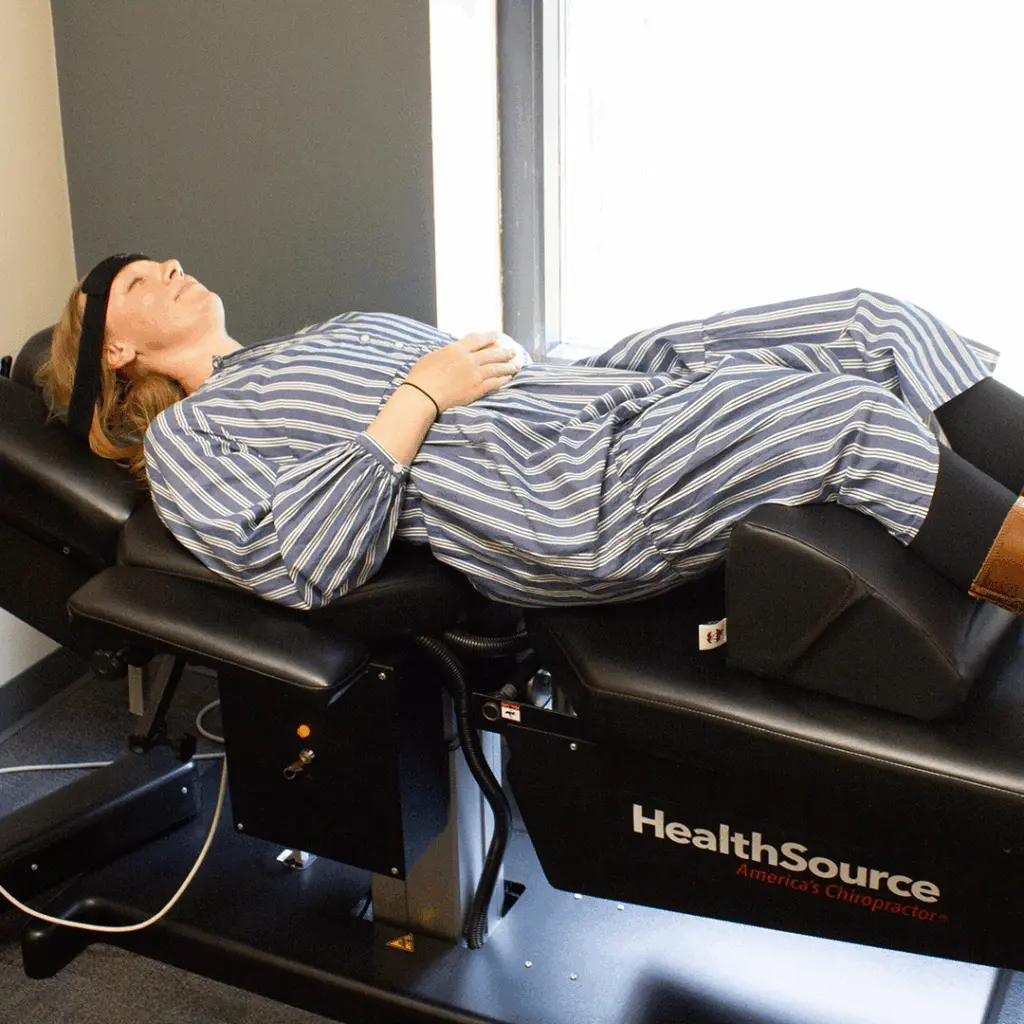
Think you might be overtraining? Book an appointment and we’ll help you build a plan to recover and get back to performing at your best.
Hours
Mon – Thurs: 9am – 12pm | 3pm – 6pm · Fri: 9am – 12pm
| Monday | 9 AM – 12 PM|3 PM – 6 PM |
| Tuesday | 9 AM – 12 PM|3 PM – 6 PM |
| Wednesday | 9 AM – 12 PM|3 PM – 6 PM |
| Thursday | 9 AM – 12 PM|3 PM – 6 PM |
| Friday | 9 AM – 12 PM |
| Saturday | Closed |
| Sunday | Closed |
Online booking
Prefer to book yourself? Pick a time online. Book OnlineA step-by-step look at a first chiropractic appointment: paperwork, consultation, exam, possible X-rays, your care plan and how you may feel after.
Simple changes to your screen, chair and daily habits that take pressure off your neck and lower back when you work at a desk all day.
What that popping sound really is, whether cracking your own back causes harm, and when stiffness is a sign to get your spine checked.